
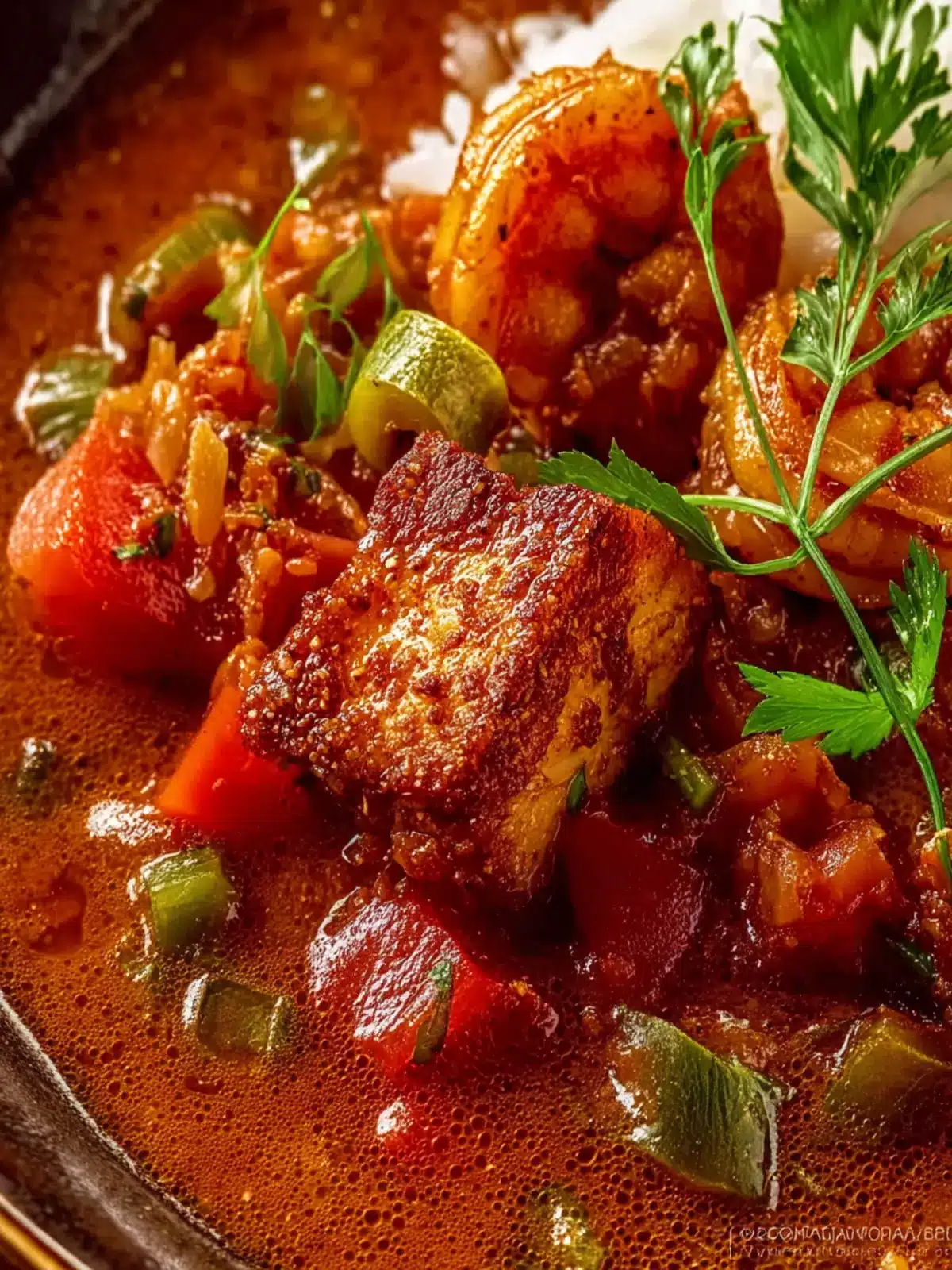
Introduction to Couvillion Recipe (Creole Courtbouillon)
The Couvillion Recipe is a delightful embodiment of Creole culinary heritage, steeped in rich tradition and flavorful history. As the sun sets over the swaying cypress trees of Louisiana, the warm, inviting aroma of this hearty fish stew fills the air, creating a sense of comfort that beckons family and friends to gather around the dinner table. This dish is more than just a meal—it’s a reflection of the vibrant culture that celebrates the confluence of African, Spanish, French, and Native American influences.
So, what makes Couvillion special in Creole cuisine? At its core, this dish showcases the region’s abundance of fresh, local ingredients, often featuring the catch of the day from the Gulf of Mexico. Unlike a traditional gumbo, which is thickened with a roux, Couvillion derives its depth of flavor from a rich tomato-based broth, allowing the stars of the dish—often fish or shellfish—to truly shine. The vibrant blend of spices, combined with the natural sweetness of tomatoes and the earthy undertones of the Holy Trinity (onions, celery, and bell peppers), craft a symphony of flavors that transports your taste buds straight to Louisiana’s bayous.
The beauty of the Couvillion Recipe lies in its versatility. While traditionally prepared with catfish, you can swap in other fresh catches, making it an adaptable choice for any seafood lover. Each spoonful is a celebration of Creole life, reminding us of lazy afternoons spent fishing in the bayou or bustling nights at a local fish fry.
Gather your ingredients, embrace the rhythm of Creole cooking, and allow this Couvillion Recipe to become a cherished part of your own culinary repertoire. There’s nothing quite like sharing a pot of this flavorful stew with loved ones—after all, food is best enjoyed in good company.
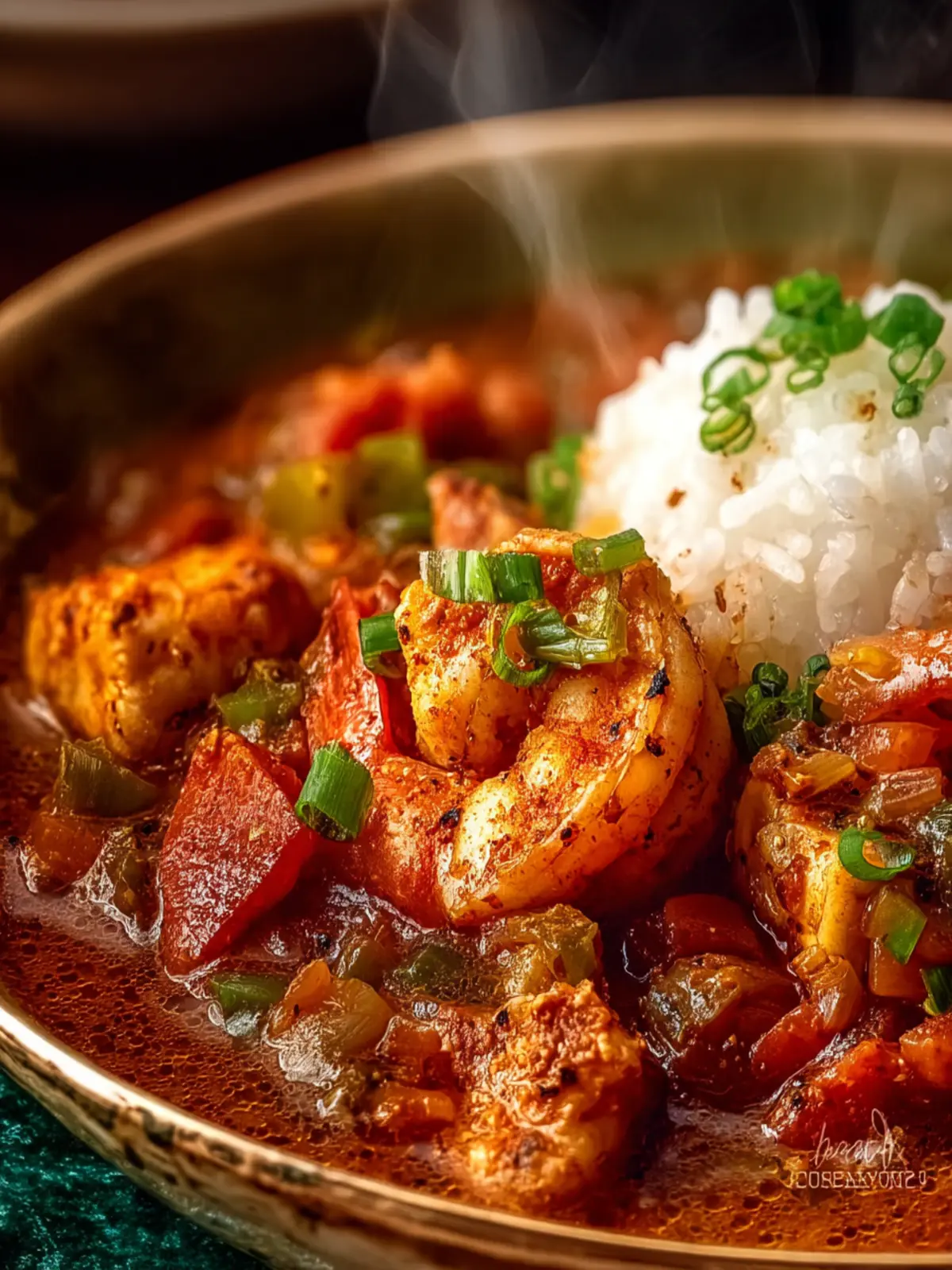
Key Ingredients for Couvillion Recipe
Fresh fish, like redfish or catfish, serves as the heart of any authentic Couvillion Recipe. When cooked with common spices, these fish deliver a tender, flaky texture that will have you dreaming of the bayou. Using fresh fish not only ensures better flavor but also brings that unforgettable taste of Louisiana directly to your table.
Vegetables play a crucial role, too. Sautéed onions, celery, and bell peppers, often referred to as the holy trinity of Creole cooking, add depth and sweetness to the dish. Together, they create a rich foundation for the couvillion, making it not only savory but also incredibly satisfying.
Tomatoes lend a bright acidity that balances the heaviness of the fish. Diced fresh tomatoes are especially effective, but canned tomatoes will work in a pinch.
Seasonings such as cayenne pepper and thyme bring warmth, while a splash of Worcestershire sauce adds another layer of umami. Using a blend of these ingredients, you’ll create a heartfelt dish that embodies the spirit of Creole cuisine.
Why You’ll Love This Couvillion Recipe
Prepare to fall in love with this Couvillion recipe, a delightful homage to the Creole culinary tradition that has stood the test of time. Imagine the comforting aroma wafting through your kitchen as various spices mingle with fresh ingredients, setting the stage for a dish that’s as rich in flavor as it is in history.
A Flavorful Tradition
This dish is more than just a meal; it’s a part of a broader cultural narrative. Originating from Louisiana, courtbouillon offers layers of flavor that reflect its coastal roots. With every bite, you’ll taste the South’s vibrant spirit, making it an instant favorite on any dinner table.
Versatility at Its Best
One of the best things about this Couvillion recipe is its adaptability. Whether you’re using shrimp, fish, or even a medley of vegetables, the rich sauce envelops every ingredient beautifully. It’s the perfect canvas for whatever fresh catch or seasonal veggies you have, making it a go-to for weeknight dinners or impressing guests alike.
Learn and Share
Cooking together can be a wonderful bonding experience, and this Couvillion recipe encourages that. Invite friends or family to join in the preparation, sharing stories and laughter as you create something delicious. It’s not just food; it’s a way to connect, celebrate, and create lasting memories.
Once you try it, you’ll find it hard to resist making this delightful dish time and time again!
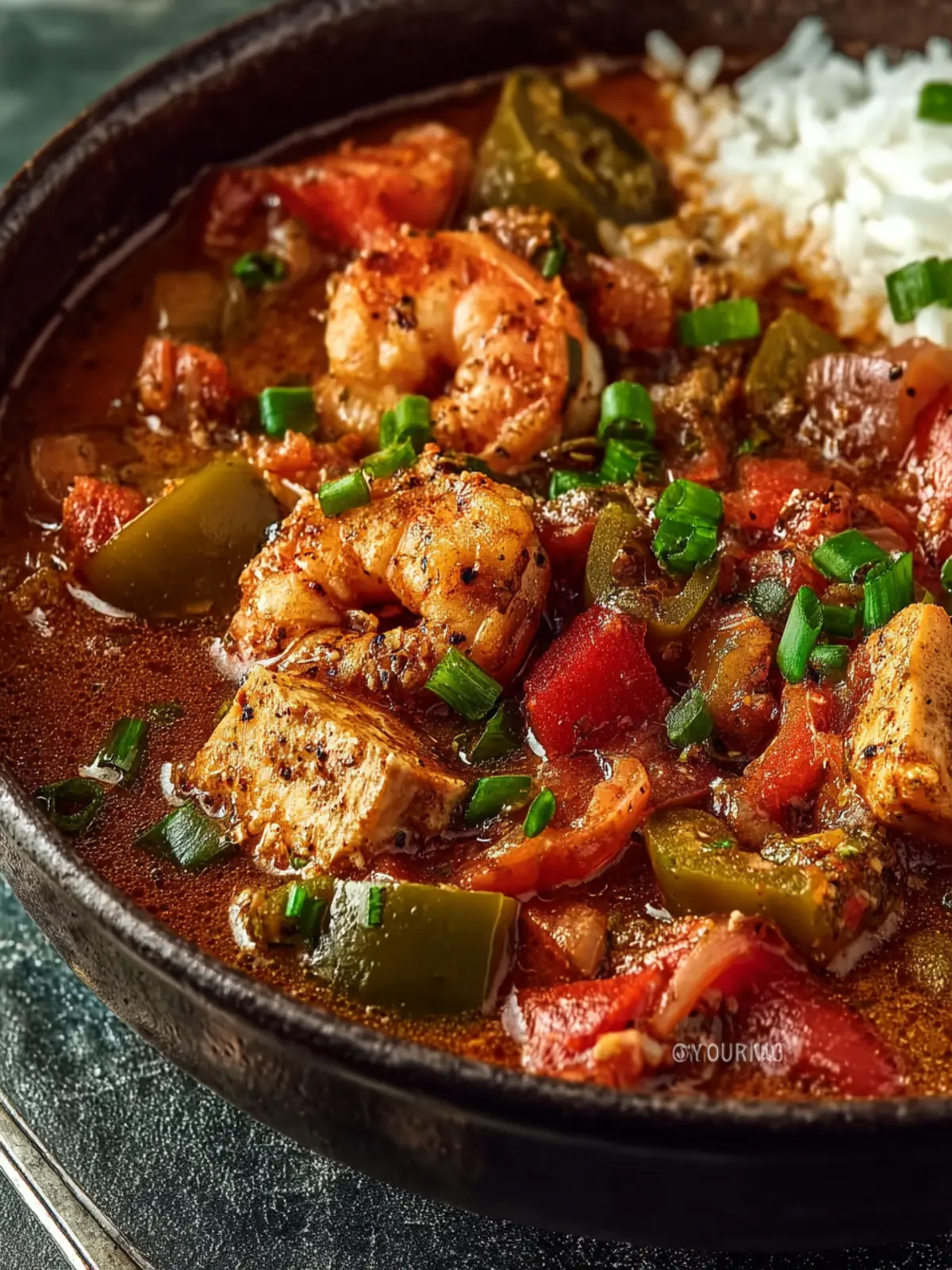
Cooking Tips and Notes for Couvillion
Creating a Couvillion recipe is a delightful journey that brings the soul of Creole cooking into your kitchen. As you explore this vibrant dish, here are some helpful tips to enhance your cooking experience:
Choosing Your Protein: This dish can be made with a variety of fish or seafood like catfish, shrimp, or even chicken. If you’re going with shrimp, opt for large, fresh ones to create a truly memorable dish.
Prep Your Ingredients: Having everything chopped and ready to go is crucial. The beauty of couvillion lies in its layers of flavor, so ensure your onions, bell peppers, and celery are diced ahead of time. This bit of prep saves you from last-minute chaos.
Build the Flavor: Make sure to sauté your vegetables until they’re soft before adding the broth. This stage deepens their flavors, providing a rich base for your stew.
Adjust the Spice: Creole cuisine is all about balance. If you’re a fan of heat, don’t hesitate to add a dash of cayenne or some hot sauce to your liking. Just remember—it’s easier to add than to take away, so go slow!
Allow for Rest: Once cooked, allow your couvillion to sit for a few minutes before serving. This resting period allows the flavors to meld beautifully, enriching every spoonful.
With these tips in mind, you’re well on your way to creating a couvillion that’s bursting with flavor and character! Enjoy the process, and don’t forget to savor each bite!
Serving Suggestions for Couvillion
When you whip up a delightful Couvillion Recipe, the rich flavors and hearty ingredients beckon for the perfect accompaniments. This dish, overflowing with history and culinary charm, shines brightest when served with thoughtful pairings.
Rice or Cornbread: The classic choice for serving Couvillion is a bed of fluffy white rice. It absorbs the spicy broth beautifully, allowing each bite to be a flavor explosion. Alternatively, serve it with a slice of homemade cornbread, offering a touch of sweetness and the perfect texture to balance the dish.
Fresh Vegetables: A simple side of sautéed green beans or collard greens adds a touch of color and freshness. The slight bitterness of the greens contrasts nicely with the savory richness of the Couvillion.
Garnishes: Don’t forget to sprinkle some chopped green onions or parsley to lift the dish visually and enhance its flavor profile. A dash of hot sauce can also elevate the spice level for those who enjoy a kick.
Ultimately, tailoring your Couvillion experience is all about personal taste—feel free to experiment with different sides!
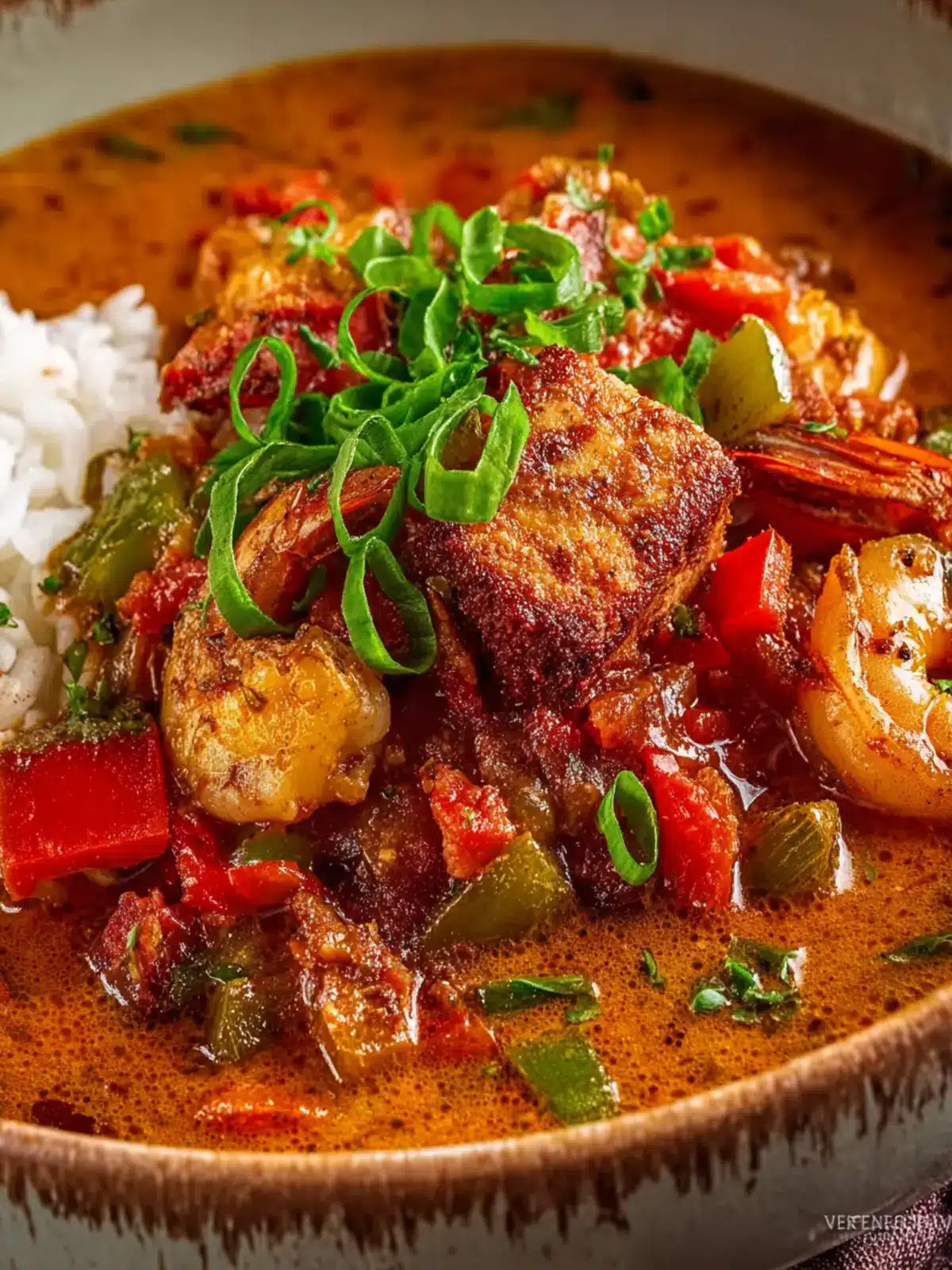
Time Breakdown for Cooking Couvillion
Crafting the perfect Couvillion Recipe is all about timing. Each step in the cooking process plays a crucial role in developing those rich, layered flavors that make this dish so cherished in Creole cuisine. Here’s how to schedule your efforts effectively:
Preparation time
To set yourself up for success, allocate about 20 minutes for preparation. This gives you time to chop your vegetables, season your protein, and gather your ingredients for a smooth cooking experience.
Cooking time
Once you begin, the cooking will take approximately 40-60 minutes. This timeline allows the flavors to meld beautifully as the ingredients simmer together.
Total time
In total, you’re looking at around 60-80 minutes from start to finish. With a little patience and care, the rewards are sure to be deliciously satisfying!
Nutritional Facts for Couvillion Recipe
Exploring the Couvillion recipe, a delicious Creole courtbouillon, invites you to savor the vibrant flavors of Louisiana. As you prepare to dig in, it’s essential to understand the nutritional components that make this delightful dish both hearty and wholesome.
Calories
Each serving of this rich and comforting Couvillion is approximately 300 calories. While it satisfies your hunger, it also leaves room for other meal components, especially if you pair it with a side of rice or crusty bread.
Protein
You can expect your Couvillion to deliver a hearty protein boost, with around 20 grams per serving. This comes from the seafood and meat used, providing essential amino acids vital for your daily diet and supporting muscle repair and growth.
Sodium
Because Creole cuisine often packs a punch with spices and seasonings, the sodium content stands at about 800 mg per serving. While it lends flavor, it’s wise to be mindful of salt intake, especially if you’re watching your sodium consumption. Adjust your seasoning to suit your dietary needs while still enjoying this flavorful dish.
Understanding these nutritional facts can have a positive impact on your cooking experience and health!
FAQ about Couvillion Recipe
Understanding the nuances of the Couvillion recipe is key to mastering this Creole classic. Whether you’re a novice in the kitchen or a seasoned cook, you might have a few burning questions.
Can I substitute different types of fish in Couvillion?
Absolutely! While traditional Couvillion typically features fish like redfish or catfish, you can definitely switch things up. Options like tilapia, cod, or even shrimp can work beautifully in this hearty stew. Just consider the cooking time—thicker fish may take longer to cook through, while more delicate varieties will need less time.
How can I make my Couvillion spicier?
If you’re craving a bit of heat in your Couvillion recipe, there are several approaches you can take:
- Add chopped jalapeños or a splash of hot sauce for instant spice.
- Incorporating cayenne pepper into the seasoning blend can elevate the heat.
- Don’t shy away from spicing up your broth with crushed red pepper flakes, balancing the flavor with the sweetness of the mirepoix.
What sides pair well with Couvillion?
Pairing the right sides with your Couvillion can take your meal to the next level. Here are some favorites:
- White Rice: The classic choice; it absorbs the savory goodness of the sauce.
- Cornbread: A Southern staple that perfectly complements the dish’s rich flavors.
- Green Salad: A light, refreshing side can balance the richness of the Couvillion.
Ultimately, choosing sides is all about creating a well-rounded dining experience that you’ll savor. Enjoy crafting your perfect plate!
Conclusion on Couvillion Recipe
Crafting the perfect Couvillion Recipe is more than just following a set of instructions—it’s about embracing a rich culinary tradition that brings families together. The heart of this dish lies in its well-balanced flavors, where the essence of fresh ingredients harmonizes beautifully with spices. Remember, whether you’re savoring the warm, hearty stew with friends or enjoying a quiet dinner at home, each bite should feel like a celebration of Creole heritage. As you cook, allow your creativity to shine; don’t hesitate to experiment with spices or ingredients. Enjoy the process, and most importantly, relish the delicious results!
Print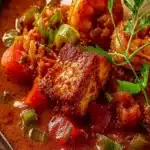
Cajun Fish Stew
- Total Time: 55 minutes
- Yield: 6 servings 1x
- Diet: Gluten Free
Description
A hearty and flavorful Cajun fish stew that will warm your soul. Perfect for any day of the week!
Ingredients
- 2 pounds firm white fish (catfish, snapper, or tilapia)
- 1/2 cup all-purpose flour
- 1/3 cup vegetable oil
- 1 large yellow onion, chopped
- 1 large bell pepper, chopped
- 2 celery stalks, chopped
- 4 garlic cloves, minced
- 1 1/2 teaspoons salt
- 1 teaspoon black pepper
- 1/2 teaspoon cayenne pepper
- 2 teaspoons Creole seasoning
- 1 (14-ounce) can diced tomatoes, undrained
- 1 (8-ounce) can tomato sauce
- 3 cups fish stock
- 2 bay leaves
- 2 teaspoons Worcestershire sauce
- 1 teaspoon hot sauce
- 2 green onions, thinly sliced
- Fresh parsley for garnish
Instructions
- Pat your fish dry with paper towels and cut into biggish chunks (about 2 inches). Dust them lightly with that flour—use more if you’re feeling bold.
- In a big Dutch oven, heat the oil over medium. Brown those floured fish pieces for just a couple minutes per side. You’re not fully cooking them now, just getting a head start and a little flavor going. Pop them out and set aside.
- Take that leftover oil (add a dash more if it looks dry), throw in the onion, bell pepper, and celery, and sauté for about 5 minutes until they’re soft.
- Stir in the garlic and let it sauté for a minute.
- Sprinkle in salt, pepper, cayenne, and Creole seasoning. Let it all mingle for a minute or two.
- Add the tomatoes (juice and all), tomato sauce, fish stock, bay leaves, Worcestershire, and hot sauce. Give it a big stir and bring it all to a nice simmer.
- Let everything simmer gently, uncovered, for about 25 minutes.
- Now, slide your fish chunks back in. Simmer gently—not boiling—for 12-15 more minutes, just until the fish is cooked through.
- Fish out those bay leaves and taste, adding more salt or hot sauce if you like.
- Toss on green onions and parsley before serving.
Notes
- Some folks like a little more flour for thickening.
- You can substitute fish stock for chicken broth.
- Add more cayenne or crushed red pepper flakes for extra heat.
- Fresh parsley is only needed if you remember it and it hasn’t wilted.
- Prep Time: 15 minutes
- Cook Time: 40 minutes
- Category: Main Course
- Method: Stovetop
- Cuisine: Cajun
Nutrition
- Serving Size: 1 bowl
- Calories: 450
- Sugar: 6g
- Sodium: 800mg
- Fat: 20g
- Saturated Fat: 2g
- Unsaturated Fat: 15g
- Trans Fat: 0g
- Carbohydrates: 30g
- Fiber: 4g
- Protein: 35g
- Cholesterol: 75mg
