
Introduction to Turkey Stock
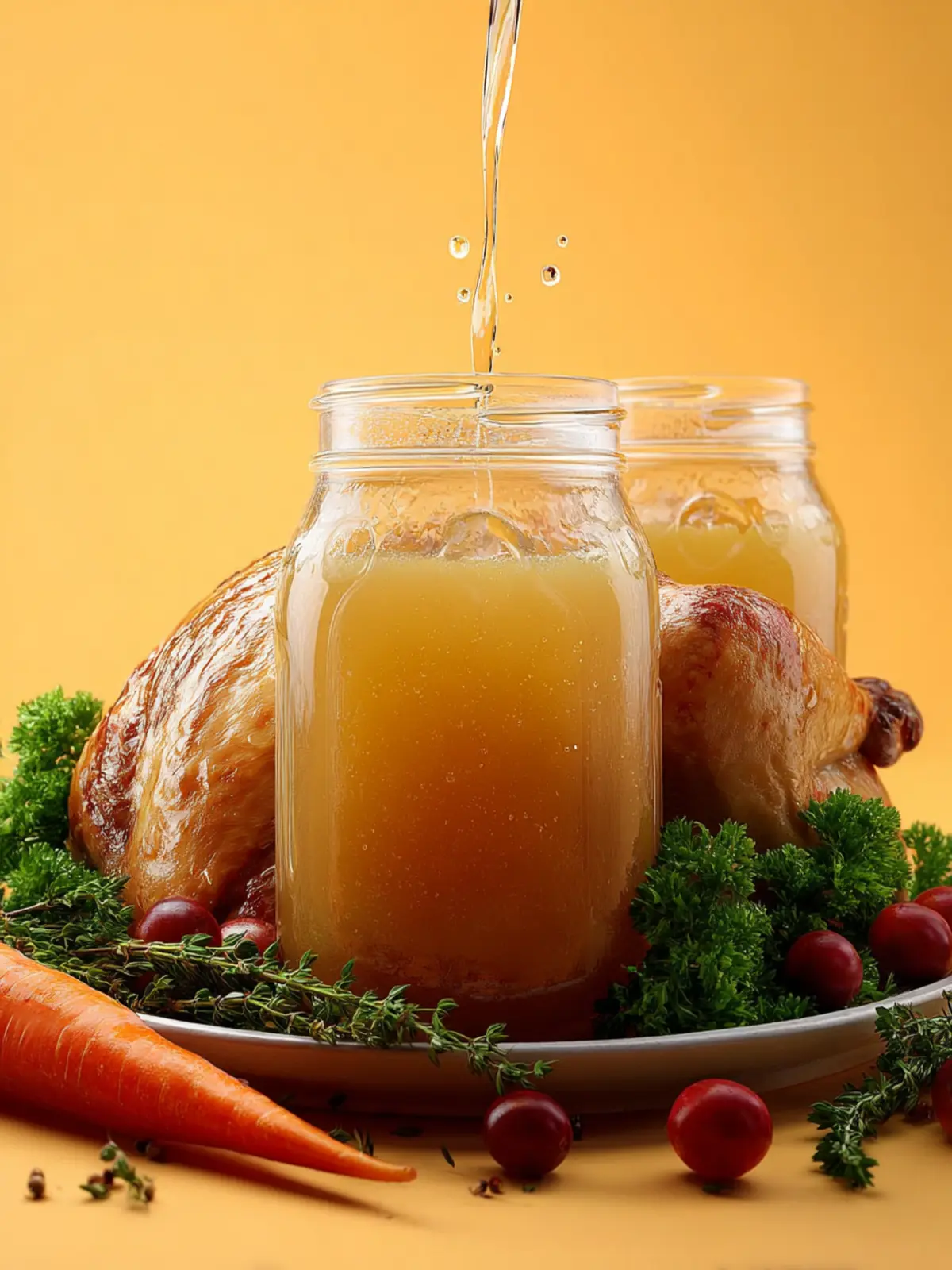
Creating homemade turkey stock is more than just a cooking technique; it’s a heartwarming ritual that can elevate your dishes and carry family traditions to the dinner table. Imagine the aroma of simmering turkey bones, vegetables, and herbs wafting through your home as you prepare for a delicious meal. This flavorful base is not only an essential ingredient for many recipes but also a canvas for your cooking creativity, turning simple soups and sauces into gourmet experiences.
What makes homemade turkey stock so special?
One of the most compelling reasons to make your own turkey stock is the incredible depth of flavor you can achieve. Unlike store-bought varieties, which can often be overly salty or lack clarity in taste, homemade stock allows you to control every element, from the freshness of your ingredients to the exact seasoning balance. Here’s what makes it extraordinary:
Quality Ingredients: Using leftover turkey carcass and fresh vegetables like onions, carrots, and celery makes a world of difference. You can even toss in herbs like thyme and bay leaves, making your stock truly special.
Health Benefits: Homemade stock is packed with nutrients extracted from bones during the simmering process. It’s known to be rich in collagen, which is excellent for your joints and overall health. Plus, you know exactly what goes into it – no preservatives or mystery ingredients!
Versatility: This turkey stock can be used in countless recipes, from savory soups to risottos and even as a cooking liquid for grains. The possibilities are endless, making it a staple that enhances many meals.
Waste Reduction: Using parts of the turkey that might otherwise go to waste is a fantastic approach to sustainability in cooking. You’re not just making stock; you’re maximizing your resources and contributing to a more environmentally friendly kitchen.
In your cooking adventures, remember that every pot of turkey stock is a journey influenced by your personal touch. So grab those leftover turkey bones, throw on a pot, and let the magic begin in your kitchen!
Key Ingredients for Turkey Stock
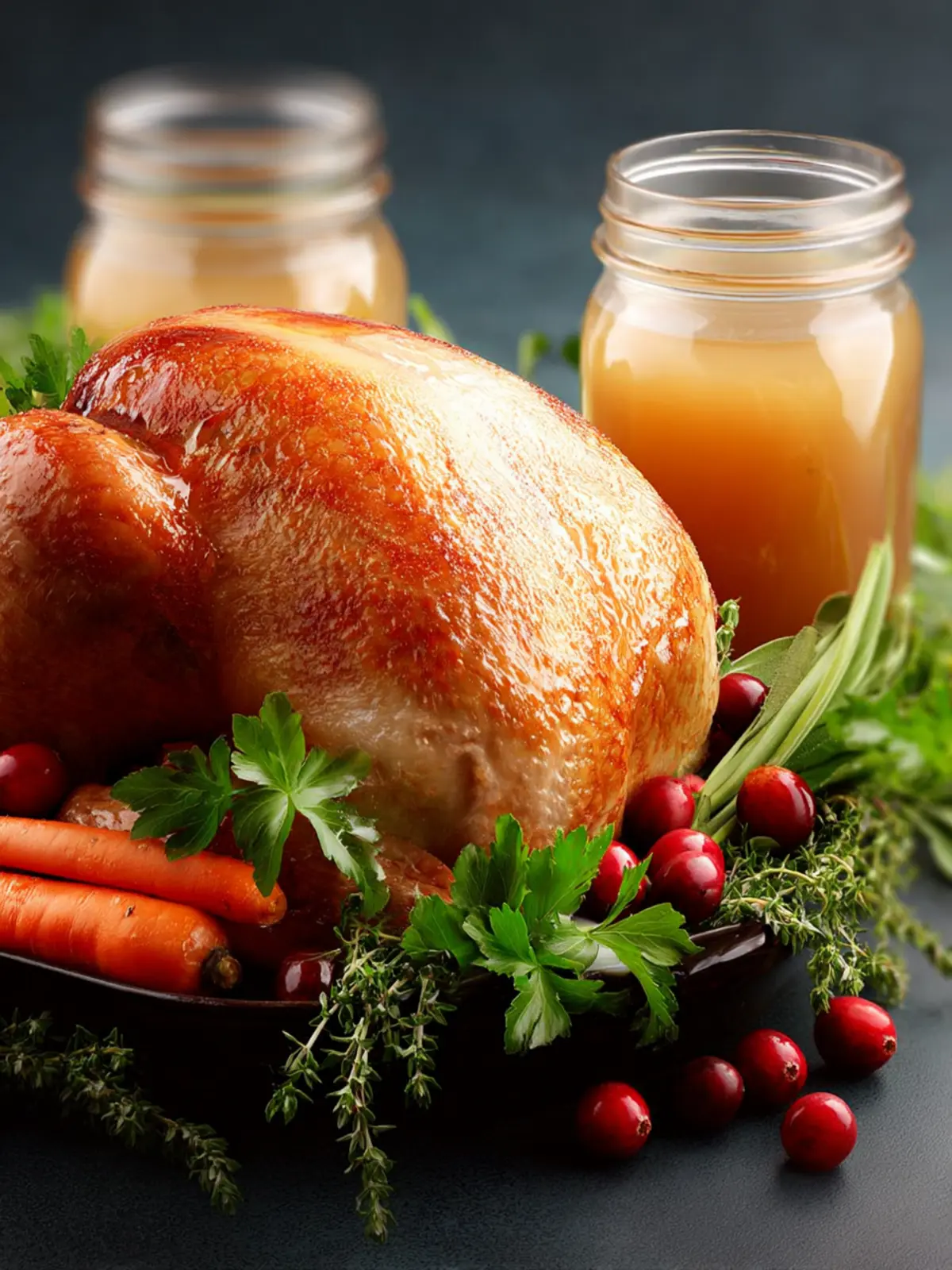
Creating a flavorful turkey stock begins with selecting the right ingredients. The magic happens when you combine fresh, aromatic components that transform leftover turkey parts into a rich and hearty foundation for countless dishes.
Turkey Bones: Start with the bones—preferably roasted ones from your holiday feast. They add depth and a savory flavor that forms the backbone of your stock. If you have additional skin or meat scraps, toss those in too!
Vegetables: A traditional trio of onions, carrots, and celery (often called mirepoix) is essential. These give your stock a sweet, balanced taste. I favor using a yellow onion for its natural sweetness, but feel free to include leeks for a unique twist.
Herbs and Spices: Fresh herbs like thyme and parsley infuse the stock with fragrant notes. A couple of garlic cloves and a bay leaf can accentuate the robustness further.
Water: Finally, don’t skimp on the water; it’s crucial for extracting all those flavors from your ingredients. Use cold water to ensure even extraction as it heats up.
With these key ingredients, you’re well on your way to creating a delicious turkey stock that’s perfect for soups, sauces, or even as a standalone warm drink!
Why You’ll Love This Turkey Stock
Imagine the comforting aroma of simmering turkey stock wafting through your kitchen, evoking memories of family gatherings and hearty meals. Crafting your own turkey stock is not just a cooking task; it’s a labor of love that infuses your dishes with depth and richness.
Elevate Your Cooking
When you choose homemade turkey stock, you’re elevating your cooking game. Store-bought versions often lack the complexity of flavors that slowly simmered stock provides. A well-made turkey stock offers:
- A base for soups and stews, giving them a robust flavor.
- The perfect liquid for cooking grains like rice or quinoa, enhancing their taste.
- A flavorful foundation for sauces that can transform any dish.
Health Benefits
Homemade turkey stock is not only delicious; it’s also full of nutrients. Rich in vitamins and minerals, it can support your health, especially during colder months. The process of simmering turkey bones extracts beneficial nutrients, such as collagen, which supports joint and immune health.
Sustainability
Using leftover turkey bones to make stock is a sustainable choice that reduces waste while maximizing flavor. It’s a great way to honor that turkey you put so much effort into cooking, ensuring every part is utilized and appreciated.
Easy to Customize
One of the best aspects of making your own turkey stock is the ability to customize it to your taste preferences. Want more herbs? Go for rosemary and thyme. Interested in a bolder flavor? Add garlic or onion. Your kitchen, your rules!
In short, creating turkey stock is an enriching experience that brings flavor, health, and sustainability into your culinary repertoire.
Variations on Turkey Stock
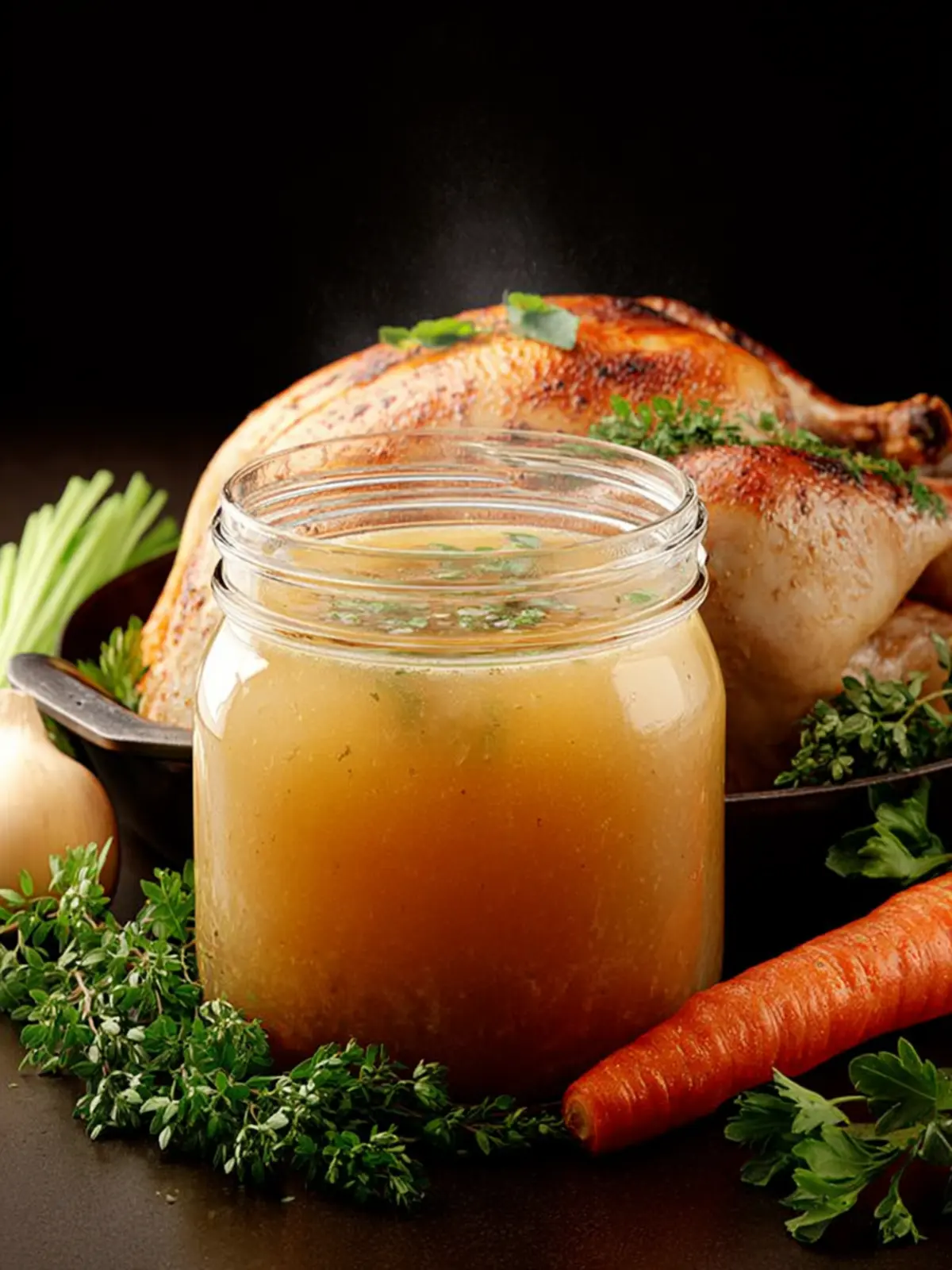
Crafting a delicious turkey stock can be a delightful journey into flavors, offering various paths to enhance your culinary creations. After you’ve made your batch, consider these tasty variations to elevate your stock-making game.
Herb-Infused Turkey Stock
Infusing your turkey stock with fresh herbs can make your stock stand out. Try adding rosemary and thyme in the last hour of cooking. These herbs not only add complexity but also a fresh aroma that’s perfect for soups and stews.
Roasted Vegetable Turkey Stock
Instead of just the usual mirepoix (onions, carrots, and celery), roast your vegetables before adding them to the stock pot. This caramelization process deepens the flavor, creating a turkey stock that has a rich, roasted taste, ideal for hearty winter recipes.
Asian-Inspired Turkey Stock
For a unique twist, consider adding ginger, garlic, and scallions for an Asian flair. This variation is fantastic for pho or ramen, giving your dishes an intriguing depth that traditional turkey stock may lack.
Smoky Turkey Stock
If you’re a fan of smoky flavors, use smoked salt or chipotle peppers to add a kick to your stock. This infusion is excellent for chili or barbecue-based dishes, transforming your turkey stock into a flavor powerhouse.
Experimenting with these variations allows you to tailor your turkey stock to your meals, ensuring that every spoonful harmonizes perfectly with what you’re cooking next. Happy stock-making!
Cooking Tips and Notes for Turkey Stock
Creating turkey stock is more than just a cooking task; it’s a way to honor the entire bird after a celebratory meal. If you’ve enjoyed a delicious turkey dinner, don’t toss those carcasses! Instead, transform them into a robust, flavorful stock that forms the backbone of countless recipes. Here’s how to elevate your stock-making game.
Choosing the Right Ingredients
- Turkey Bones: Post-feast, save the leftover bones and any attached skin or meat. They’re packed with flavor and nutrients that will enrich your stock.
- Vegetables: Onions, carrots, and celery are quintessential choices for adding depth. Aim for roughly equal parts of each for a balanced flavor.
- Herbs: Fresh thyme, bay leaves, and parsley stems are excellent for infusing the stock with fragrant notes. Feel free to experiment with other herbs like rosemary for a unique twist.
Simmering Technique
The key to a perfect turkey stock is to simmer slowly. Aim for a low boil for at least 4-6 hours, allowing the flavors to meld harmoniously. Adding water as it evaporates will help avoid burning and maintain a rich flavor profile.
Tasting and Adjusting
Remember, the most important aspect of any stock is the taste. After the initial simmering period, feel free to taste and adjust the seasoning. A pinch of salt or a splash of vinegar can enhance flavors immensely.
Storing
Once your turkey stock cools, strain it into containers, letting it sit in the fridge overnight. The next day, you can skim off any fat that solidifies on top, leaving you with a lean and hearty stock ready for soups, stews, or sauces!
Serving Suggestions for Turkey Stock
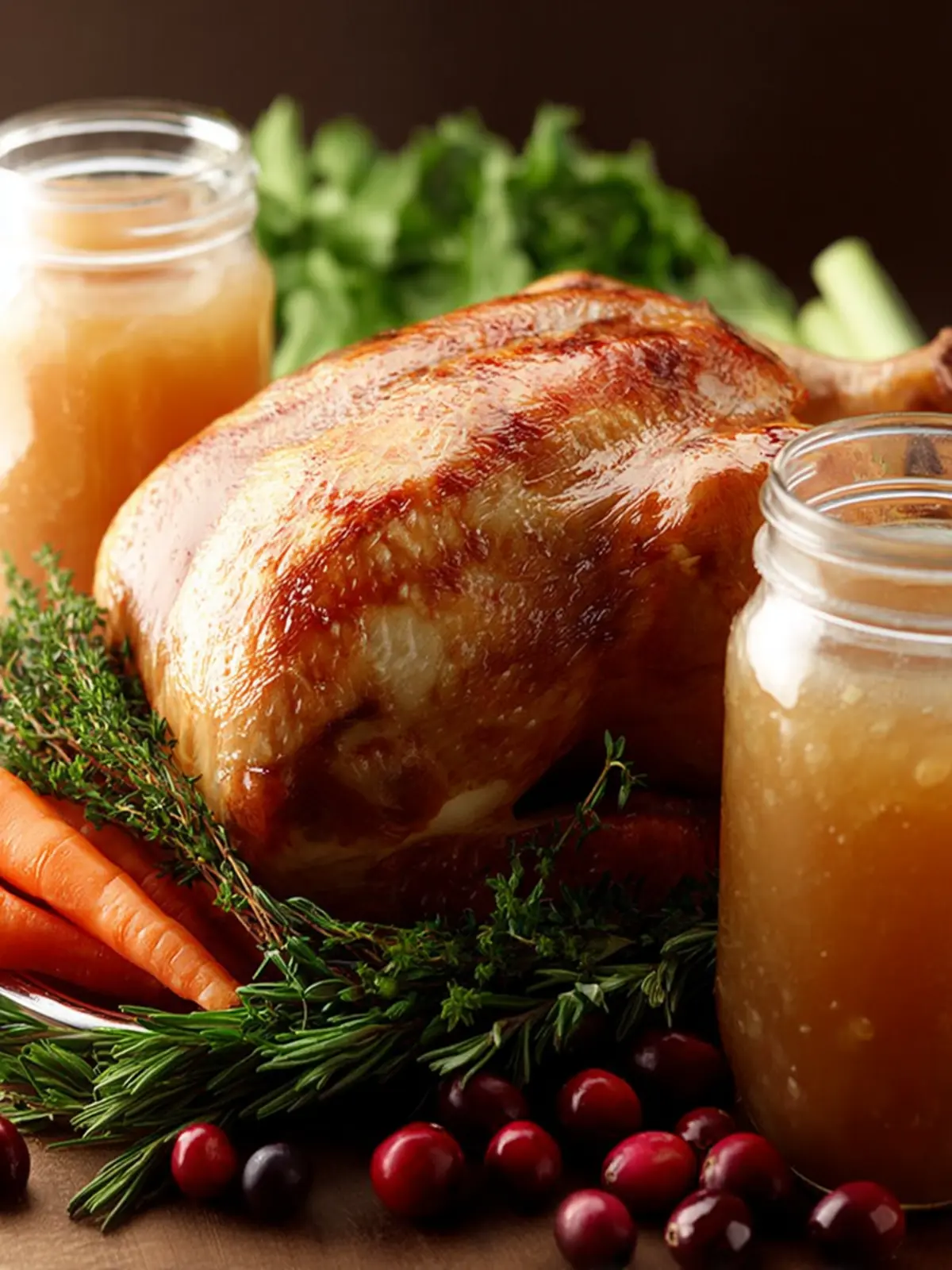
The journey of turkey stock doesn’t end upon straining it into jars; instead, it’s just the beginning of an exciting culinary adventure. This savory liquid is like liquid gold, offering endless possibilities to enhance your dishes.
Rich Soups and Stews
One of the best ways to utilize your turkey stock is to create rich soups and stews. Whether it’s a classic turkey and vegetable soup or a hearty stew with beans, the depth of flavor that comes from turkey stock can elevate your meal to a new level. Simply replace water or other broths in your favorite recipes and experience the delightful difference.
Flavorful Risotto and Grains
Imagine a creamy risotto infused with the robust aroma of turkey stock. When you cook your rice or grains in turkey stock instead of water, you add an extra layer of taste that truly transforms the dish. Plus, it’s an effortless way to make something ordinary feel special.
Sauces and Gravies
Don’t forget about the power of turkey stock in sauces and gravies. A simple pan sauce made from deglazing your skillet with turkey stock can create a delightful accompaniment to your roasted meats or vegetables, lending a bright flavor that ties the meal together beautifully.
By creatively incorporating your homemade turkey stock into these dishes, you’ll not only reduce food waste, but you’ll also impress your friends and family with your culinary prowess!
Time Breakdown for Turkey Stock
When you decide to make turkey stock, it turns into a warm culinary adventure, filling your kitchen with rich aromas and nurturing flavors. Each phase in the process is vital, and here’s how you can map out your time effectively.
Preparation Time
Gathering your ingredients and prepping the vegetables takes about 15 minutes. Chop your onions, carrots, and celery, and don’t forget to break down the turkey carcass if needed!
Cooking Time
Simmering the stock will require about 3–4 hours. This slow cooking allows the flavors to meld beautifully, creating that deep, comforting essence of turkey stock.
Total Time
So, in total, you’re looking at around 3 hours and 15 minutes to 4 hours and 15 minutes. This time spent results in a versatile ingredient that enhances your soups, risottos, and more!
Nutritional Facts for Turkey Stock
Understanding the turkey stock you’re simmering can enhance your cooking experience. Not only does it add richness to your dishes, but it also offers several nutritional benefits.
Calories
A single cup of homemade turkey stock contains about 30-40 calories. Its low-calorie profile makes it a great base for soups and sauces without adding excessive calories to your meal.
Protein
With around 5-7 grams of protein per cup, turkey stock can contribute to your daily protein intake. This protein comes primarily from the turkey bones and any remaining meat, making it a nutritious addition to a healthy diet.
Sodium
The sodium content varies depending on how you prepare your stock. On average, homemade turkey stock may contain 50-100 mg of sodium per cup. Using unsalted ingredients allows you to better control the saltiness, making it a heart-healthy option in your cooking arsenal.
FAQ about Turkey Stock
Creating the perfect turkey stock is not just about the bones; it’s a culinary journey filled with potential uses. Whether you’re prepping for a holiday feast or seeking comforting recipes, this FAQ will clarify common questions about turkey stock to enhance your cooking experience.
Can I make turkey stock without a carcass?
Absolutely! While having a turkey carcass makes for a rich flavor, you can create a flavorful stock by using turkey wings, necks, or thighs. You can also add vegetable scraps like carrots, onions, and celery for additional depth. If you’re in a pinch, even store-bought turkey or chicken broth can serve as a base to build flavors.
How long can I store homemade turkey stock?
Homemade turkey stock can be a kitchen staple if stored correctly. In the refrigerator, it stays fresh for about 3–4 days. For longer shelf-life, consider freezing it in airtight containers or freezer bags. Properly stored, it can last up to 6 months in the freezer. Always let it cool completely before placing it in the freezer to prevent ice crystal formation.
What are some uses for turkey stock?
The versatility of turkey stock is one of its best features! Here are a few delightful ways to use it:
- Soups and stews: It’s the perfect base for comforting soups, enriching flavors and adding depth.
- Gravy: Use turkey stock to make a homemade gravy that’s rich and full-bodied.
- Risottos and grains: Substitute water with turkey stock for cooking grains or making risotto to impart a deeper flavor.
- Sauces: Boost the richness of sauces by incorporating turkey stock as a key ingredient.
Feel free to experiment with your recipe adaptations! Each use allows you to savor the essence of turkey in simpler, everyday cooking.
Conclusion on Turkey Stock
Creating turkey stock is not just about using leftovers; it’s an opportunity to transform simple ingredients into a comforting flavor foundation. This versatile stock can elevate soups, sauces, and risottos, making your dishes much more satisfying. Remember to simmer slowly, allowing rich flavors to develop.
If you’ve enjoyed the process of making your own stock, keep experimenting with different herbs and vegetables to find your perfect blend. Homemade turkey stock is an essential staple that can enhance your cooking and bring warmth to your meals. Embrace the journey of cooking, one flavorful pot at a time!
Print
Turkey Stock
- Total Time: 4 hours 10 minutes
- Yield: 8 cups 1x
- Diet: Low Carb
Description
A flavorful turkey stock made from leftover turkey carcass and vegetables.
Ingredients
- 1 turkey carcass (including leg and wing bones separated into pieces)
- 2 onions (quartered)
- 5 ribs celery (cut into 2-inch pieces)
- 5 carrots (cut into 2-inch pieces)
- 1 bouquet fresh parsley and fresh thyme (tied in a bouquet)
- 1 teaspoon black peppercorns
Instructions
- Place all your ingredients into a large stockpot, cover with water.
- Bring to a boil, then simmer for 3-4 hours, simmer until liquid is reduced by about half.
- Allow the stock to cool slightly.
- Discard the carcass, vegetables, and herbs.
- Strain the stock through a fine-mesh strainer over a very large bowl or large pot.
- Use immediately or cool and store.
Notes
- Store the turkey stock in the refrigerator for up to a week or freeze for up to 6 months.
- Prep Time: 10 minutes
- Cook Time: 4 hours
- Category: Soup
- Method: Simmering
- Cuisine: American
Nutrition
- Serving Size: 1 cup
- Calories: 50
- Sugar: 1g
- Sodium: 120mg
- Fat: 2g
- Saturated Fat: 0g
- Unsaturated Fat: 1g
- Trans Fat: 0g
- Carbohydrates: 8g
- Fiber: 1g
- Protein: 3g
- Cholesterol: 10mg
