
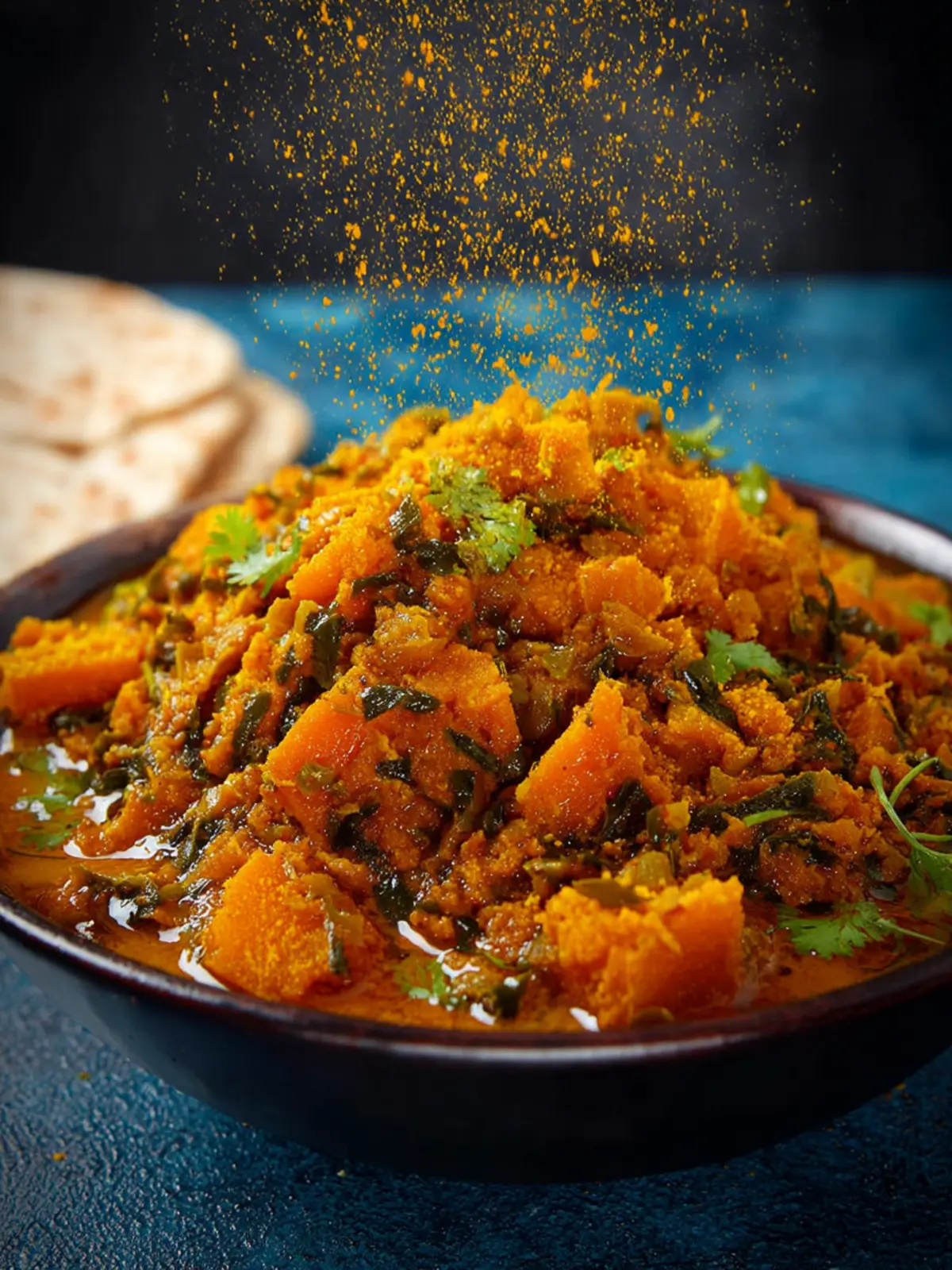
Introduction to Haldi Ki Sabji Recipe
Embarking on a culinary journey, haldi ki sabji stands as a vibrant celebration of flavor and health, embodying the essence of Indian home-cooked meals. This dish, rooted deeply in tradition, showcases the humble yet potent turmeric—a spice often overlooked, yet loaded with both flavor and numerous health benefits. Imagine stepping into your grandmother’s kitchen, where the sun beams through the windows, and the aroma of turmeric wafts through the air, hinting at the warmth and love behind every ingredient.
The Importance of Turmeric in Indian Cuisine
In Indian cuisine, turmeric isn’t merely a spice; it’s a cornerstone, revered for its vivid yellow hue and earthy flavor. Known as haldi in Hindi, it has been used for centuries, not just for cooking but also for its mystical properties in Ayurveda. Turmeric is celebrated for its anti-inflammatory and antioxidant qualities, making it a health warrior in every dish it graces.
When you sauté fresh haldi in ghee or oil, its unique aroma transforms, creating an irresistible base for curries and Sabjis. The vibrant color it imparts to any meal is both visually appealing and appetite-stimulating. Moreover, recent studies reveal that curcumin, the active ingredient in turmeric, may have therapeutic benefits, contributing to everything from better digestion to heart health.
Why Try Haldi Ki Sabji?
This haldi ki sabji recipe offers an inviting way to incorporate turmeric into your diet. Perfect for a quick weeknight dinner or a special family gathering, the dish’s comforting flavors resonate with every palate. As you prepare it, you’ll discover not just a meal but a connection to a heritage that values ingredients for their story as much as their taste.
Diving into the haldi ki sabji is like embracing a slice of home. So, let’s gather the ingredients and step into the kitchen to create something beautiful and nourishing.
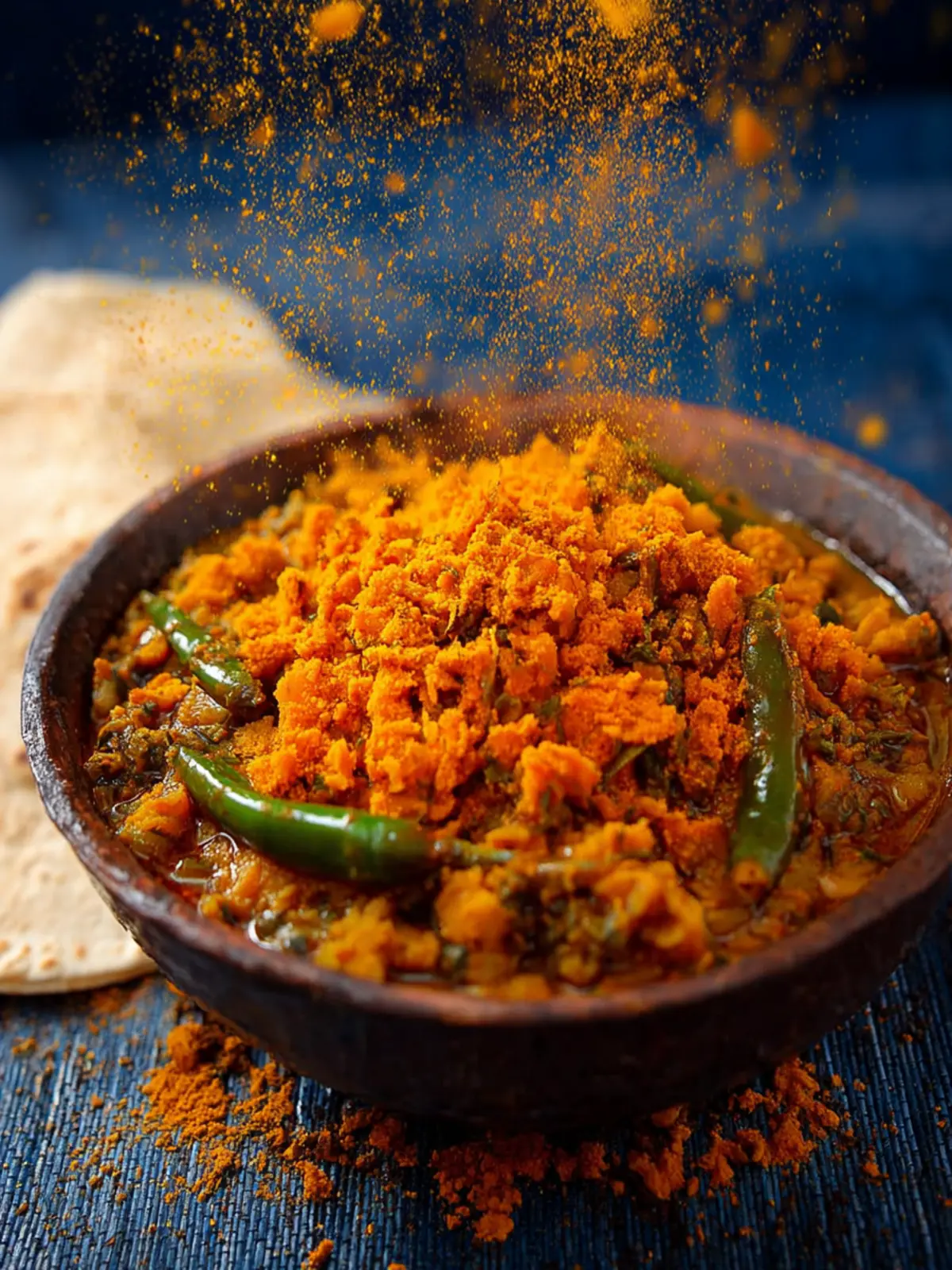
Key Ingredients for Haldi Ki Sabji
Turmeric: The star of our haldi ki sabji recipe, fresh turmeric is essential for that vibrant color and distinct earthiness. If you can’t find fresh turmeric, the dried powder will work as a substitute, but fresh truly elevates the dish.
Vegetables: A mix of seasonal vegetables like potatoes, carrots, and peas adds delightful texture and flavor. Each bite brings a warm comfort that showcases the beauty of wholesome ingredients in a nourishing meal.
Onion and Tomato: Onions provide a sweet base when sautéed, while tomatoes contribute acidity that balances out the dish. When cooked together, they create a delicious sauce that coats the vegetables perfectly.
Spices: Aside from turmeric, I love to use cumin, coriander, and chili powder. These spices create layers of flavor that complement the fresh turmeric rather than overpower it. Adjust the spices to suit your taste—after all, cooking is about personalization!
Herbs: Fresh coriander leaves make a fragrant garnish that brightens up the dish. Plus, it adds an extra pop of color, making your haldi ki sabji not only delicious but visually appealing.
Why You’ll Love This Recipe
Flavor Profile and Versatility
Dive into the world of haldi ki sabji and unlock a flavor experience that’s as vibrant as its golden hue. The warmth of turmeric shines through in this dish, creating a delightful balance of spicy, earthy, and slightly sweet notes that make it an instant favorite. Each bite is a celebration of flavors — the spices harmonize beautifully, bringing out the natural sweetness of the vegetables you choose to include.
One of the most appealing aspects of this haldi ki sabji recipe is its incredible versatility. Whether you’re a fan of potatoes, spinach, or even seasonal veggies, you can adapt this dish to your personal taste and what’s available in your kitchen. It pairs wonderfully with steaming rice, fluffy rotis, or even as a standalone dish, making it suitable for any meal—from a busy brunch to a serene dinner.
Moreover, cooking with turmeric not only adds vibrant flavor but also brings health benefits, such as anti-inflammatory properties. So, why not indulge in a dish that’s as beneficial as it is delicious? You’ll love how quick and easy it is to whip up, making it a perfect option for your weeknight cooking or even to impress guests at a gathering.
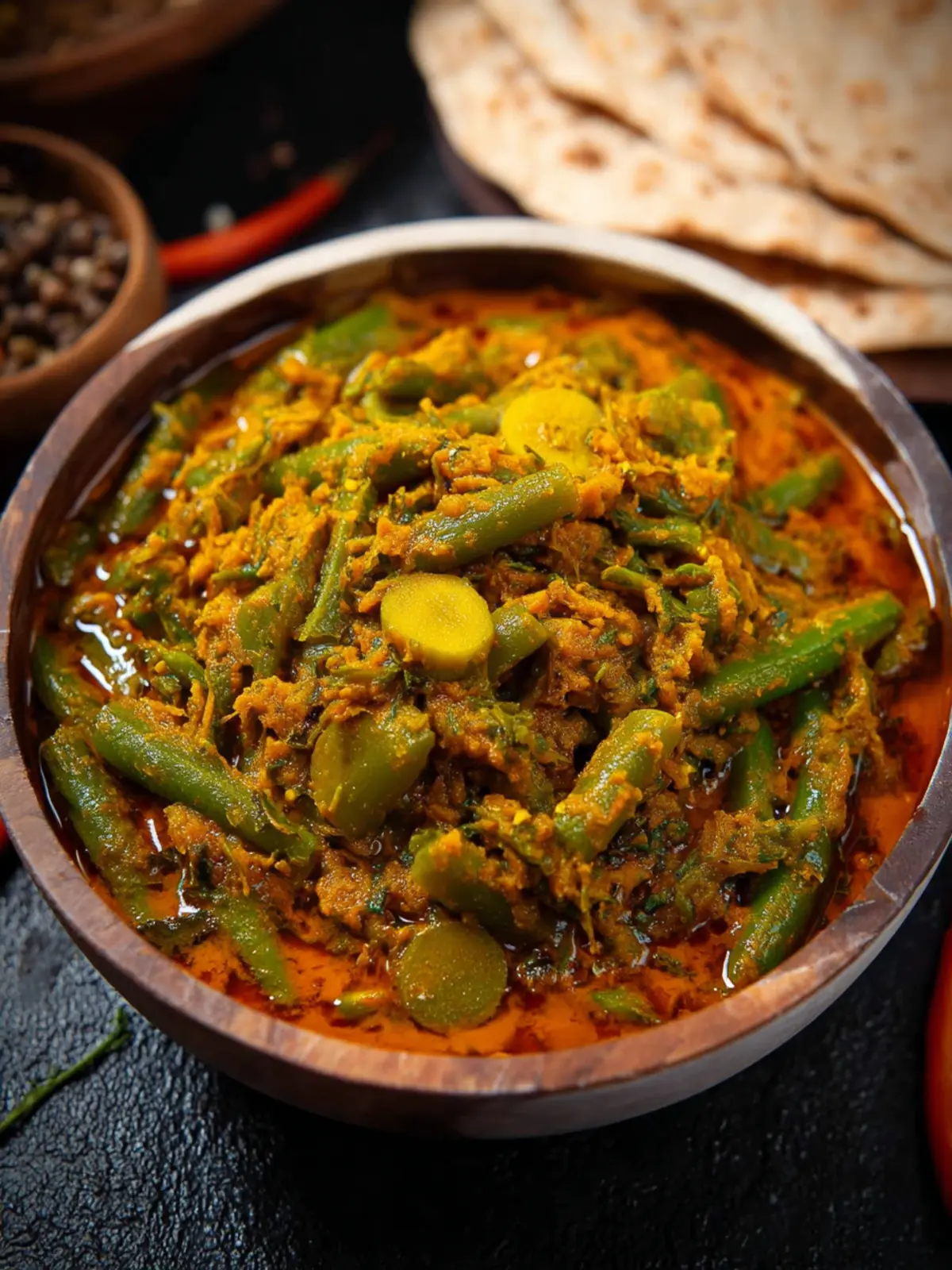
Cooking Tips for Haldi Ki Sabji
When it comes to making haldi ki sabji, the right cooking techniques elevate this simple yet profound dish into a delightful experience. Turmeric, with its warm golden hue and earthy flavor, is the star ingredient, not just for its taste but also for its remarkable health benefits. Here are some tips to ensure your haldi ki sabji recipe shines.
Best Techniques for Cooking Turmeric
Use Fresh Turmeric: Fresh turmeric root adds a vibrant flavor and color that powdered turmeric simply can’t match. Grate it finely for an authentic touch. If you’re using powder, ensure it’s fresh for optimal flavor.
Warm Oil First: Always heat your oil before adding turmeric. This not only helps release the spice’s essential oils but also enhances its natural flavor. You’ll notice a richer aroma wafting through your kitchen.
Combine with Healthy Fats: Turmeric is fat-soluble, meaning it binds well with fats. For the best absorption of its nutrients, consider cooking it with oil, ghee, or even coconut milk.
Mind the Cooking Time: Cooking turmeric too long can lead to a bitter flavor. Add it early with other spices to build a beautiful base, but remove it from high heat as soon as you’ve achieved the desired flavor.
By following these tips, your haldi ki sabji will not only taste great but will also embrace the full spectrum of health benefits turmeric has to offer. Enjoy your cooking adventure!
Time Breakdown for Haldi Ki Sabji
Creating the ideal Haldi Ki Sabji is a rewarding experience that brings warmth to any dining table. Knowing how to allocate your time can make the cooking process smoother and more enjoyable.
Preparation Time
Getting everything prepped for your haldi ki sabji recipe will take about 15 minutes. During this time, you’ll chop the vegetables and gather your spices, ensuring everything is ready to go.
Cooking Time
Cooking time is around 20 minutes. This includes sautéing the ingredients until they meld beautifully together, creating a dish rich in flavor and nourishment.
Total Time
In total, you’re looking at about 35 minutes from start to finish. With just over half an hour, you’ll have a delightful and healthy dish to serve your family or guests. Enjoy the vibrant flavors of Haldi Ki Sabji!
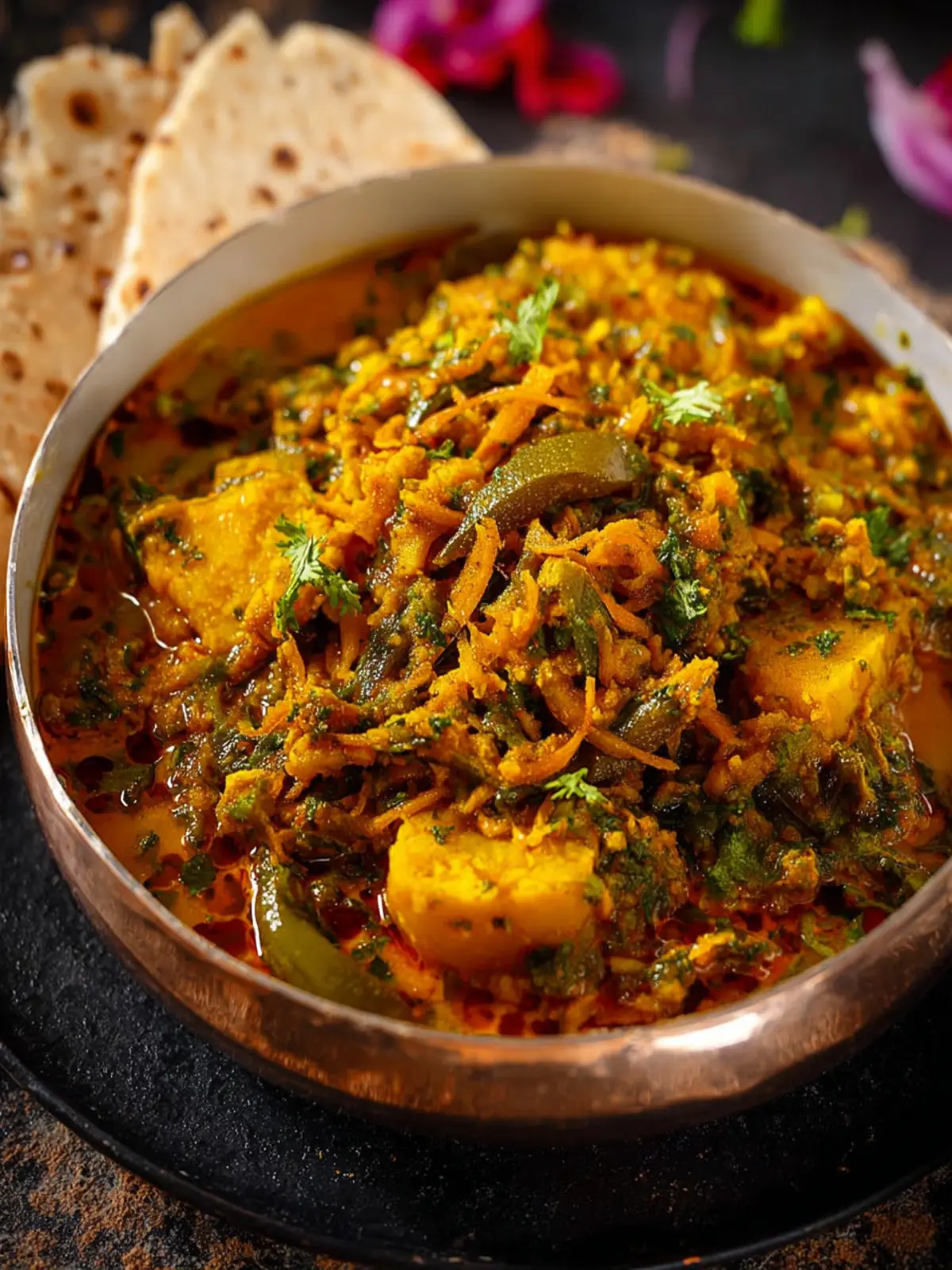
Nutritional Facts for Haldi Ki Sabji
Exploring the Haldi Ki Sabji recipe goes beyond just taste; it brings a wealth of nutrition to the table.
Calories
Each serving of Haldi Ki Sabji typically contains around 150–200 calories, depending largely on the oil and accompanying ingredients you choose. This makes it a light yet satisfying dish that can fit well into various meal plans.
Vitamins and Minerals
This dish is rich in essential vitamins and minerals:
- Turmeric provides a good dose of manganese and iron.
- Vegetables such as potatoes and carrots contribute vitamin C and dietary fiber.
- Additionally, the use of green chilies adds some vitamin A to the mix.
Health Benefits of Turmeric
The hero ingredient, turmeric, is not just flavorful but is also celebrated for its anti-inflammatory and antioxidant properties. Studies suggest that curcumin, the active compound in turmeric, may help improve heart health and reduce the risk of chronic diseases. This makes Haldi Ki Sabji not only a delicious choice but also a beneficial one for your health!
FAQs about Haldi Ki Sabji
When diving into the world of Haldi Ki Sabji, questions often pop up—after all, anyone looking to master this delightful turmeric dish naturally seeks clarity. Let’s sift through some common inquiries to enhance your cooking experience!
Can I use dried turmeric instead of fresh?
While you technically can use dried turmeric, it’s important to note that the flavor and color of fresh turmeric are significantly more robust. Fresh turmeric imparts a vibrant earthiness and a slightly peppery undertone that dried cannot replicate. So, if you want to honor the essence of the haldi ki sabji recipe, I highly recommend sticking with fresh turmeric for that authentic taste and aroma.
How spicy is this dish?
One of the great things about Haldi Ki Sabji is its versatility in flavor profiles. Traditionally, it isn’t a spicy dish; it leans more toward warm and comforting. However, if you enjoy a bit of heat, feel free to add your choice of spices or chili! The beauty lies in customization, so tailor it to your palate and elevate your dining experience.
What do I serve Haldi Ki Sabji with?
This delicious turmeric dish pairs wonderfully with a variety of sides. Serve it with soft chapatis, steaming basmati rice, or even a fluffy paratha. Add a dollop of yogurt on the side to balance the flavors. Some fresh salad or pickle also complements the dish perfectly, providing a refreshing crunch against the warmth of the haldi ki sabji. Enjoy experimenting with your favorite combinations!
Conclusion on Haldi Ki Sabji Recipe
The haldi ki sabji recipe is not just a dish; it’s a delightful way to immerse yourself in the vibrant culinary history of Indian cuisine. With its earthy turmeric flavors and healthful properties, this dish makes for a comforting addition to your everyday meals. After trying it, you might find yourself wondering how such simple ingredients could bring so much joy and warmth to the table.
Remember, cooking is about experimenting and enjoying the process. Don’t hesitate to tweak the recipe to suit your palate or add seasonal vegetables for extra nutrition and flavor. Enjoy every bite, and share it with friends and family for an even warmer experience.
Print
Turmeric and Yogurt Spiced Curry
- Total Time: 40 minutes
- Yield: 4 servings 1x
- Diet: Vegetarian
Description
This dish features grated turmeric, yogurt, and a mix of aromatic spices.
Ingredients
- ½ cup ghee
- 2 green cardamoms (hari elaichi) (coarsely crushed)
- 3–4 cloves (laung) (coarsely crushed)
- 1 inch piece of cinnamon stick (dalchini) (coarsely crushed)
- ½ teaspoon cumin seeds
- ¼ teaspoon asafetida (hing)
- 2–3 green chilies (slit into half)
- 1 teaspoon chopped garlic
- 1 teaspoon grated ginger
- 200 grams fresh turmeric roots (peeled and grated)
- ¾ cup plain yogurt (dahi, curd)
- 1 teaspoon Kashmiri red chili powder
- 1 teaspoon coriander powder
- ½ teaspoon garam masala powder
- 1 teaspoon salt (or to taste)
- ½ cup green peas (fresh or frozen)
- 2 tablespoons chopped cilantro (fresh coriander leaves)
Instructions
- Heat ghee in a pan over medium heat.
- Once the ghee is hot, add green cardamoms, cloves, and cinnamon and sauté for 3-4 seconds.
- Add cumin seeds, asafetida, green chilies, garlic, and ginger, and fry for 4-5 seconds.
- Now reduce the heat to low.
- Add grated turmeric to the pan and cook for 10-15 minutes until the turmeric is softened. Stir frequently to prevent it from sticking to the bottom.
- Once the turmeric is softened, add plain yogurt, Kashmiri red chili powder, coriander powder, and garam masala powder to the pan and mix well. Cook for 3-4 minutes on low heat and keep stirring continuously to avoid the yogurt from curdling.
- Add salt and green peas to the pan and mix well. Cover the pan with a lid and cook for 3-4 minutes if using frozen peas or 10-12 minutes if using fresh peas.
- Remove the lid. Check for salt and add more if needed. Garnish with chopped cilantro and serve hot.
Notes
- This dish pairs well with rice or bread.
- Adjust the spice level by modifying the amount of green chilies.
- Prep Time: 10 minutes
- Cook Time: 30 minutes
- Category: Main Course
- Method: Stovetop
- Cuisine: Indian
Nutrition
- Serving Size: 1 cup
- Calories: 350
- Sugar: 5g
- Sodium: 400mg
- Fat: 20g
- Saturated Fat: 10g
- Unsaturated Fat: 8g
- Trans Fat: 0g
- Carbohydrates: 30g
- Fiber: 5g
- Protein: 10g
- Cholesterol: 20mg
